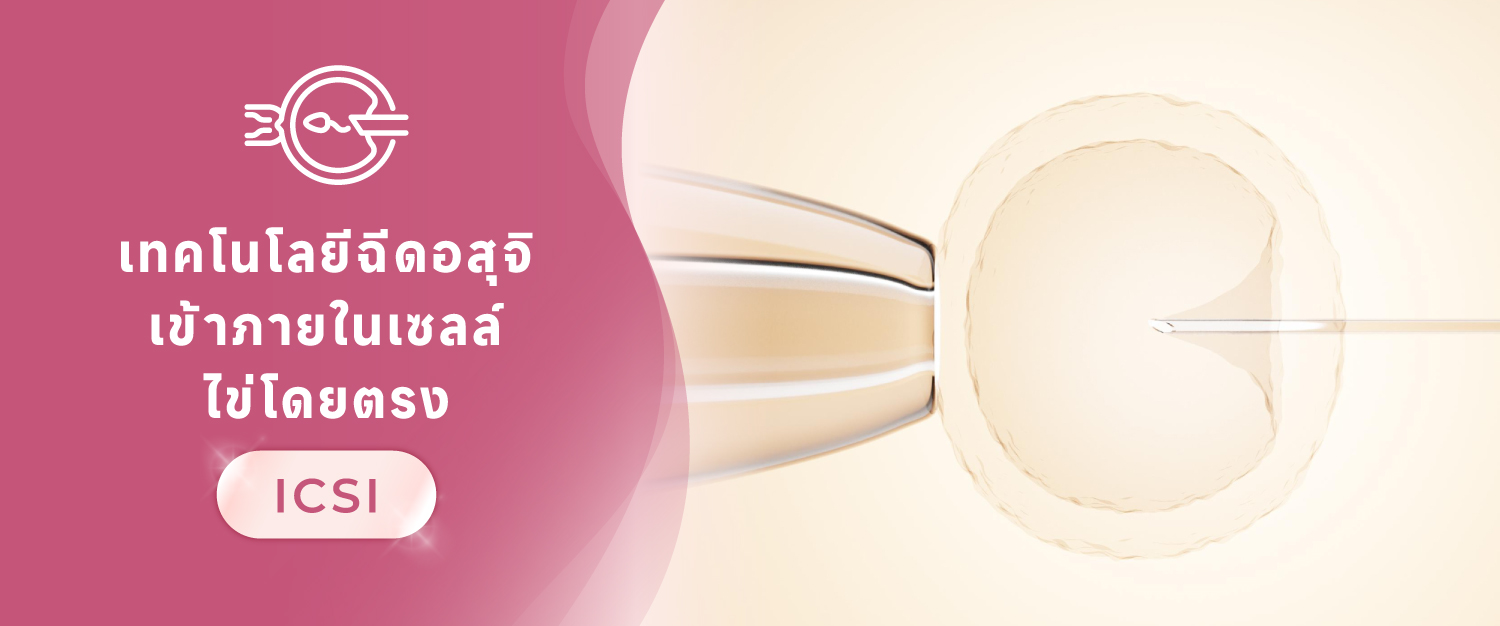
Intracytoplasmic sperm injection (ICSI)
ICSI is a precise fertilization procedure that selects complete, mature and high-quality eggs from a large number of eggs, and selects sperm with strong vitality and normal morphology. With the help of a special needle, the sperm is directly injected into the cytoplasm of the egg, which promotes the fertilization of the egg and further development into an embryo. Finally, the embryo is transplanted back into the uterus. This method is mainly used for men with weak sperm vitality and poor fertilization ability.
Intracytoplasmic sperm injection (ICSI)
ICSI is an important fertilization method for in vitro fertilization. After obtaining sperm, the laboratory embryologist will strictly screen according to indicators such as vitality, morphology, and concentration to select the sperm with the best quality. After that, using micromanipulation technology, with the assistance of a high-power microscope, the sperm is accurately injected into the cytoplasm of the mature egg with an extremely fine needle. If the sperm is successfully implanted into the egg, fertilization is successful, and the success rate is generally 50% - 80%.
If the fertilized egg develops into an embryo, the quality needs to be strictly evaluated, including cell division rate, morphological characteristics, fragmentation ratio, etc. During the freezing, fertilization and implantation process, the embryos need to be further screened to check for chromosomal abnormalities.
The success of the ICSI procedure depends on careful screening, and the treatment requires highly skilled and experienced embryologists to perform. From embryo culture to transplantation back into the uterus, each link must strictly follow standardized procedures, and any deviation may affect the pregnancy outcome.
Who is it suitable for?
Infertile couples with blocked or damaged fallopian tubes in the female.
Married couples where the male has problems such as low sperm count and poor motility.
Couples with unexplained infertility who have been trying to have a baby for more than 3 years.
Couples who have tried ovulation induction and intrauterine insemination (IUI) but have not yet conceived.